
The Sbilfs: Tiny Invisible Guests of the Woods and Stables of Carnia
A fireside tale about the Sbilfs, the sprites of Carnia: where they dwell, what pranks they play on those who work the land and what was done in the old days to keep them friendly.
Inside the Trunk, Beneath the Straw
Pull your stool up to the fire, for the mountain night is long and the forest is listening.
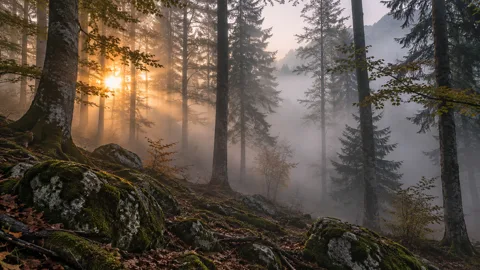
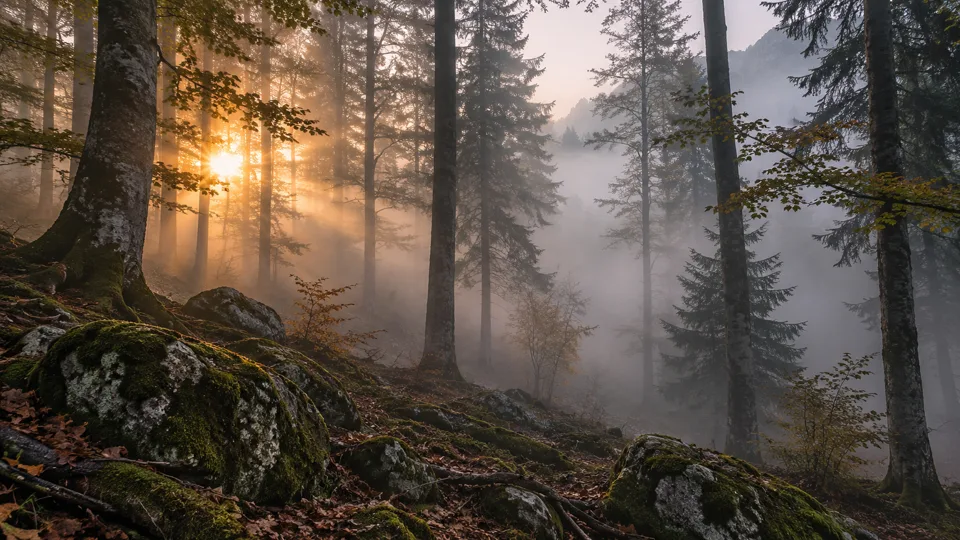
I shall tell you of a people that no one has ever held in the hand. In Carnia, among narrow valleys and thick woods, they say the Sbilfs live. They are small of stature, quick of foot and sly as foxes. They blend with the foliage so well that the eye passes straight through them. Their favourite home is the hollow of a great tree, where the trunk has opened like a door.
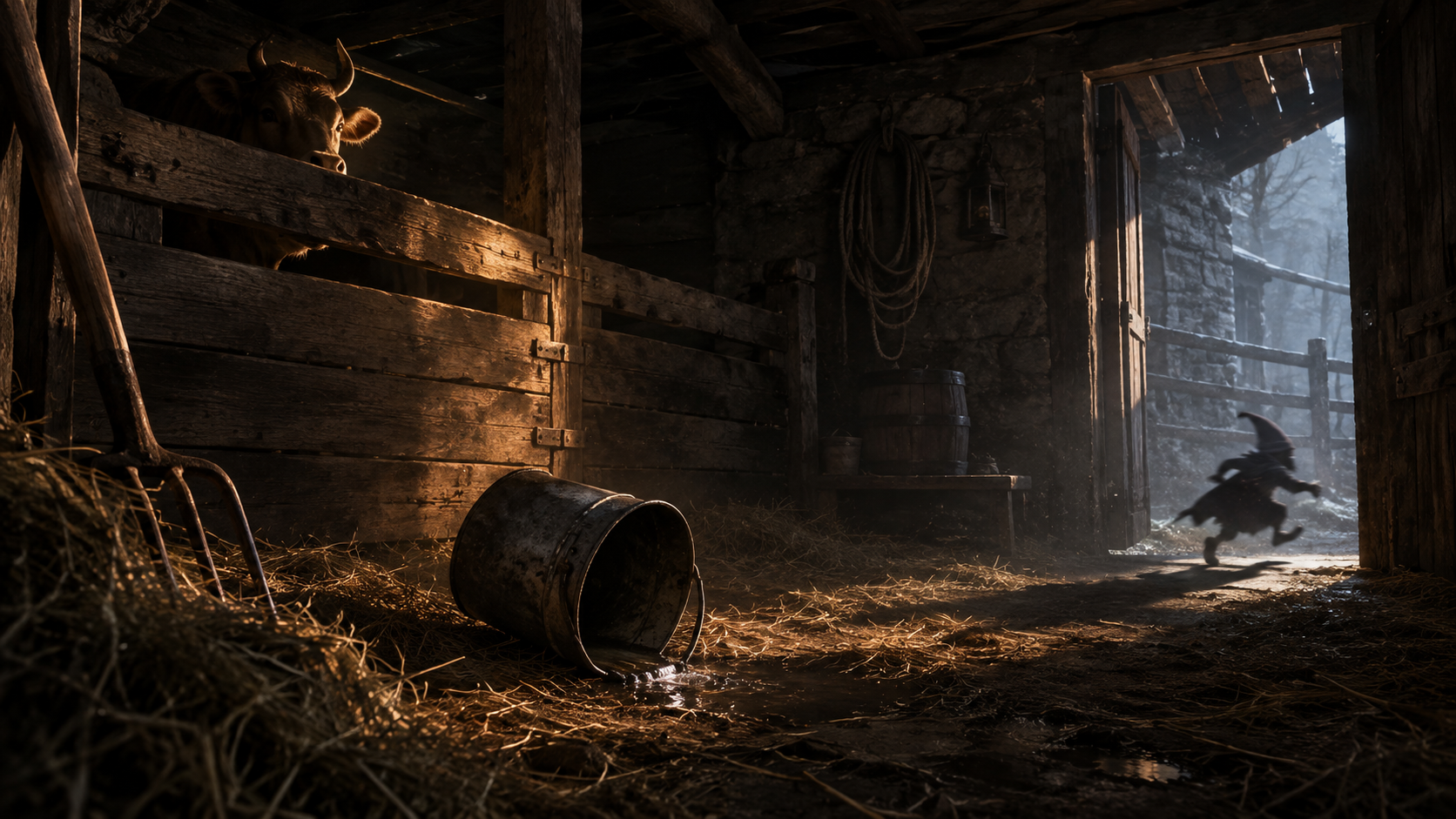
The old folk said that once upon a time some were found even in the barns and stables, curled up in the straw and the breath of the cattle. It seems they show themselves to some and stay unseen by others. Many swore they had met them in the undergrowth or on the bank of a stream.
They are eternal children: they love music and play and dance. It is said they like to dress in red and that they dote on zûf, the soup of pumpkin and cornmeal that tempts even sprites.
A Name for Every Mischief
The Sbilf’s temper is as changeable as the weather on the mountain passes. He is not wicked and this is worth knowing: he acts with the thoughtlessness of children and leaves behind more muddle than ruin. Whoever climbs to the woods with arrogance risks becoming his favourite target. Whoever is in trouble on the paths may receive his help.
According to the valley or the mood the Sbilf changes his name. There is the Licj who knots the ropes and threads he finds in the house. There is the Brau who delights in unpicking clothes and curtains. There is the Bergul who trips up wayfarers. There is the Cjalciùt who sits on the chest of sleepers and spoils their rest.
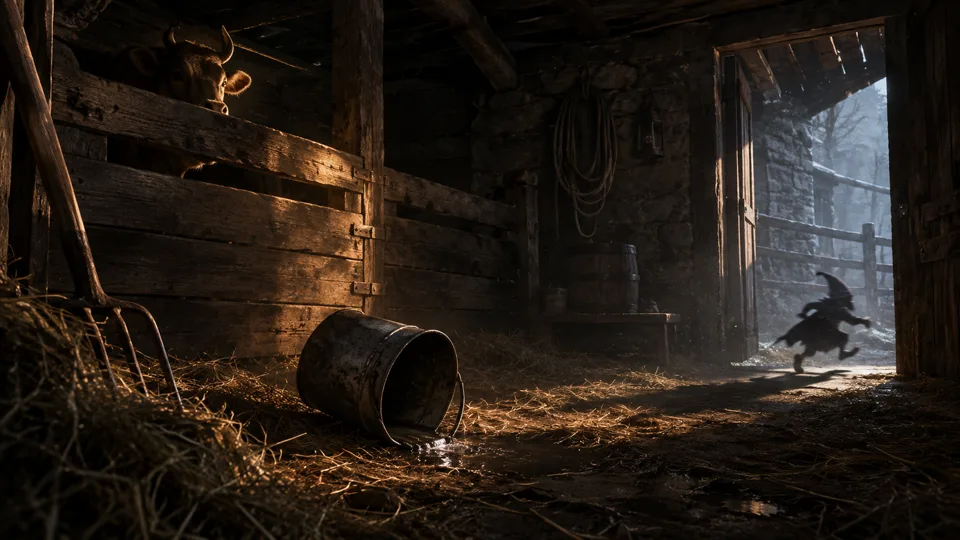
And there is the Bagan the stable Sbilf. He loves animals but if something annoys him he tips over the brimming pails of milk and hides the farmer’s tools. Picture dawn in the stable: the spilled pail and the vanished spade and no culprit to scold except one nobody can see.
So between one jest and another the mountain folk learned to live with what could not be grasped. When a lace came knotted by itself or a tool went missing a half smile and a name for the culprit were enough.
Milk, Fruit and Respect: The Pact with the People
Yet the mountain folk did not live at war with their tiny guests. The Pavâr they say dwells in the vegetable gardens and knows the secrets of crops and lunar rhythms and seasons. He gladly helps those who love the land. It is also told that the Sbilfs taught women to work wool and men to turn milk into cheese. And that they gave sweet dreams to children.
How to keep them kind? Tradition remembers a rite for Shrove Tuesday: milk and cream and cjarsons were offered to ward off their pranks. Others say that farmers thanked them by leaving a little unpicked fruit on the trees. It was a way of saying thank you without words to those who were never seen.
Behind these gestures the elders recognised something greater: respect for nature. A tree was not felled without reason because who knows who lived in its trunk. The Sbilfs thus became invisible guardians of woodland and pasture.
In some villages their existence was held as certain. No one had ever caught them but everyone knew whom to blame when the milk ended up on the floor.
The Little Folk Never Left
The fire burns low and the tale draws to its close.
The Sbilfs have not left Carnia. They have changed their dwelling: today they live in children’s books and in evenings devoted to legends. They have lent their name to trails that climb toward mountain huts and to themed paths where children look for them among the branches. No one finds them and that is precisely why they are still sought.
Perhaps they were a way of giving a face to the whims of things: the milk that spills and the tool that vanishes and the sleep that grows heavy. Perhaps they were a way of remembering that the forest is more than timber and that the land must be treated with respect. Who knows. If one day passing an old hollow tree you hear a thin laugh do not turn around sharply. Leave a fruit on the branch and walk on with respect.



Mark Mining · 19 Nov 2026, 20:21
Nice!
sesag17272 · 21 Nov 2026, 09:37
Thanks