MKULTRA: The CIA's Unwitting Experiments
A secret research program crossed ethical boundaries that the agency later acknowledged.
13
0
A secret research program crossed ethical boundaries that the agency later acknowledged.
U.S. intelligence agencies investigated remote viewing - with disappointing practical results.
A “mining” vessel was built to lift part of a Soviet submarine from the Pacific Ocean.
An internal 1973 compilation exposed agency activities later released to the public.
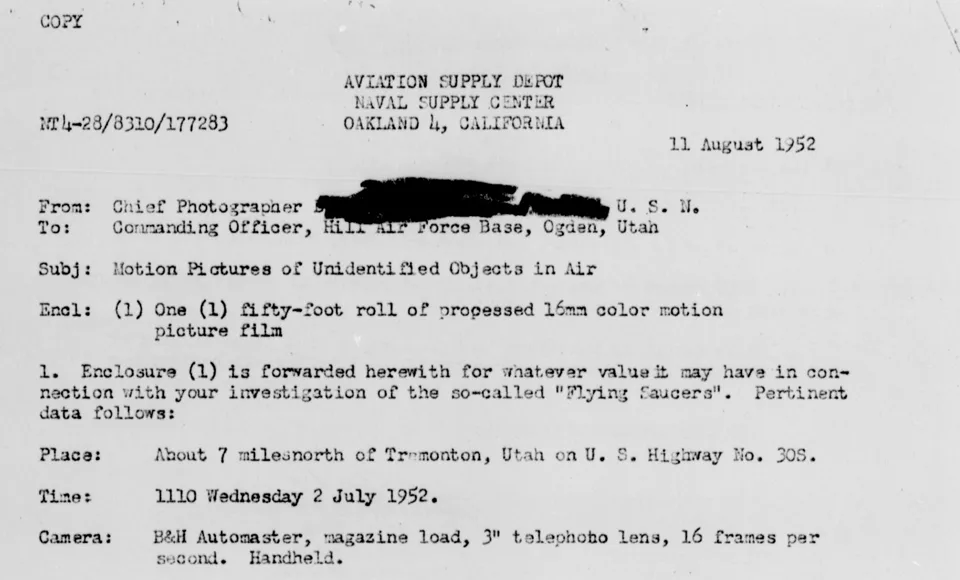
Two short colour films of bright dots in a daytime sky became the best-known “UFO movies” of the 1950s. The Air Force files and a CIA report show what the analysts actually concluded: a US Navy laboratory called the Utah objects light sources that were not birds, balloons or aircraft; a CIA-convened panel refused to accept that; the Air Force settled on aircraft reflections and seagulls.
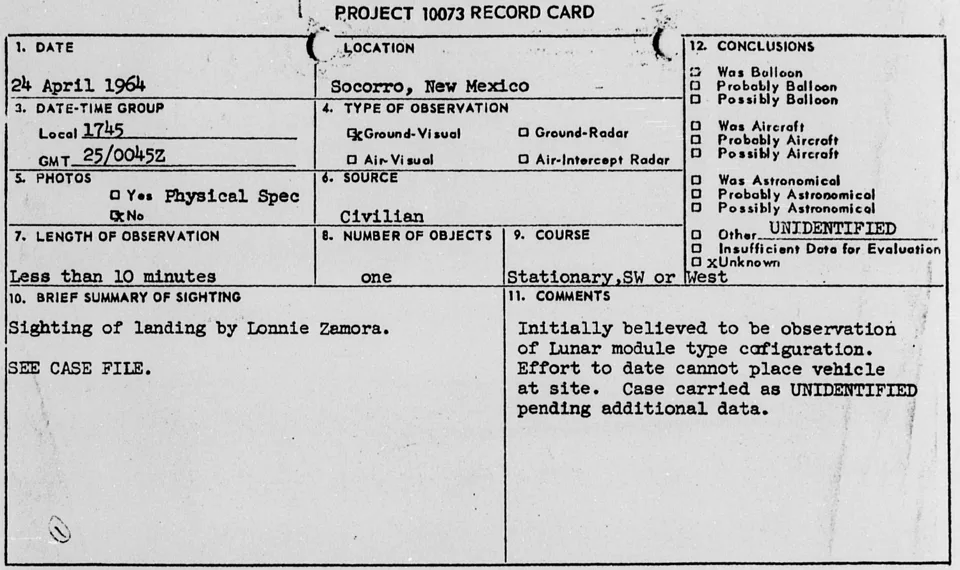
On 24 April 1964 a Socorro police officer, Lonnie Zamora, reported an egg-shaped object rising from a gully on a roar of flame. Project Blue Book checked balloons, aircraft, soil and radiation, and carried the case as “unidentified”. Its chief later called it, in a CIA journal, “the best-documented case on record”.
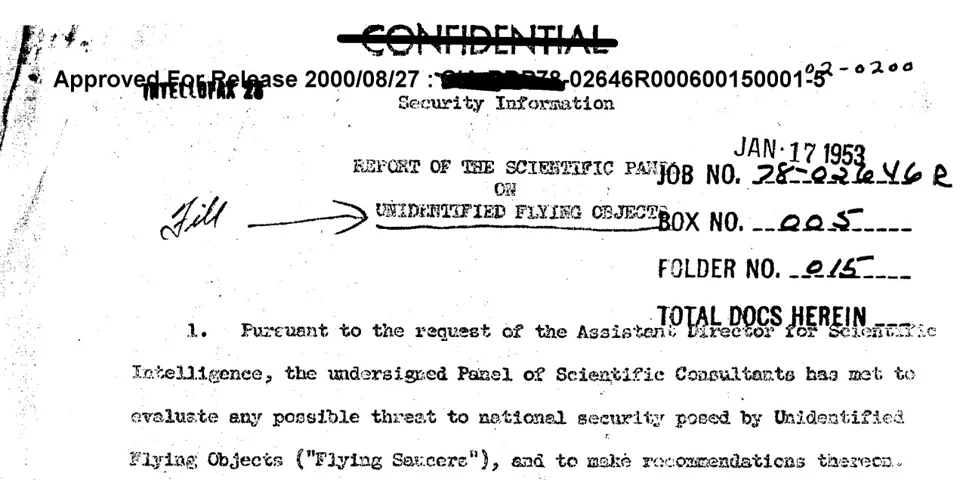
In January 1953 the CIA gathered a small group of leading physicists to answer one question: are UFOs a threat to national security? Their two-page report, once CONFIDENTIAL, shaped US policy for years. The surprise is where they saw the danger.